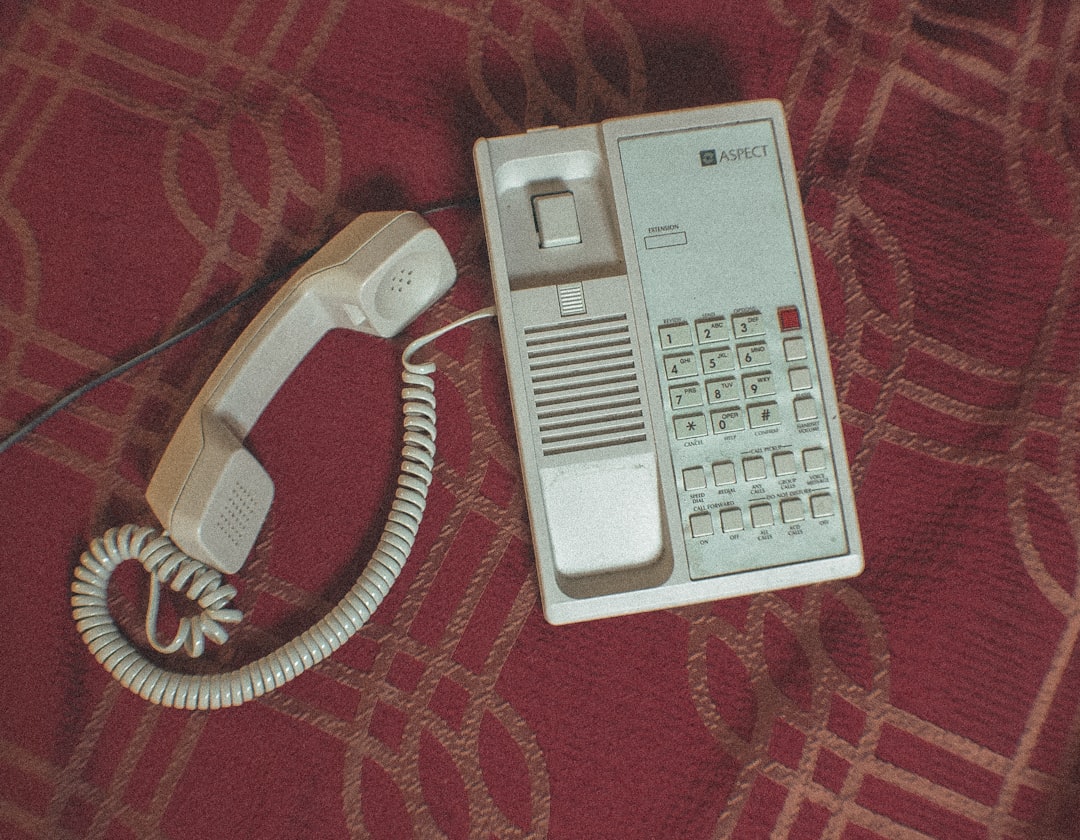
New Jersey consumers enjoy robust protections, including privacy, fair sales practices, and product liability laws. Key resources include the New Jersey Division of Consumer Affairs (DCA) and specialized lawyers for Do Not Call New Jersey. Consumers should read contracts carefully, keep records, and report suspected violations promptly. Legal action is available against violators, with attorneys specializing in consumer law offering tailored guidance to protect rights and secure compensation.
In today’s consumer-driven society, understanding your rights is an essential aspect of protecting your financial well-being and personal privacy. New Jersey residents face unique challenges when it comes to navigating the complex landscape of consumer rights, especially with the rise of telemarketing calls and online scams. This article serves as a comprehensive guide for consumers seeking clarity and empowerment. We will delve into the various laws designed to safeguard your interests, including those against unwanted telephone solicitations, ensuring you are equipped to assert your rights effectively. Engaging the services of a lawyer specializing in New Jersey’s Do Not Call laws can be a pivotal step in reclaiming control over your communication channels.
Consumer Rights Overview in New Jersey
In New Jersey, consumers enjoy a robust set of rights designed to protect them from unfair or deceptive practices. The state’s consumer protection laws are comprehensive, covering various transactions, including purchases, leases, and even credit agreements. Understanding these rights is essential, as it enables consumers to make informed decisions, resolve disputes effectively, and hold businesses accountable for their actions. A lawyer specializing in New Jersey’s Do Not Call laws can provide valuable guidance on navigating these protections.
One of the key areas of consumer rights involves privacy and data protection. New Jersey has stringent regulations regarding how businesses collect, use, and share personal information. For instance, the state’s Do Not Call registry is a powerful tool that allows residents to opt-out of unsolicited telemarketing calls. Enforcement of these rules ensures consumers’ peace of mind and helps prevent identity theft and fraud. Additionally, businesses must obtain explicit consent for marketing purposes, further empowering consumers to control their data.
Another critical aspect is the regulation of sales practices. New Jersey has laws in place to prevent misleading or deceptive advertising, unfair price discrimination, and high-pressure sales tactics. These provisions protect consumers from being misled by false promises or aggressive selling methods. Moreover, the state offers mechanisms for consumers to file complaints and seek remedies when their rights are violated. This includes the right to a fair hearing and potential monetary compensation for harm suffered due to business misconduct. By leveraging these consumer rights, residents of New Jersey can confidently navigate their purchasing decisions, ensuring fairness and transparency in the marketplace.
Understanding Unfair or Deceptive Practices

In New Jersey, consumers are protected by a robust legal framework designed to safeguard their rights against unfair or deceptive practices. These laws not only ensure transparency but also empower individuals to take action when their rights are violated. Understanding these protections is essential for every resident, as it enables them to make informed decisions and hold businesses accountable. One particularly insidious area of concern is the use of deceptive marketing tactics, which can lead to significant financial losses for consumers.
Unfair or deceptive practices encompass a wide range of behaviors, from misleading advertising to false representations of product quality or features. For instance, a company might advertise a “free” trial that automatically enrolls users in recurring billing without their explicit consent—a tactic known as “auto-renewal.” Similarly, some businesses may use high-pressure sales techniques or engage in bait-and-switch marketing, luring customers with promises of low prices only to upsell them on additional products or services. These practices can be particularly problematic for vulnerable consumers, such as the elderly or those with limited access to information.
When confronted with unfair or deceptive practices, New Jersey consumers have several recourse options. They can file a complaint with the New Jersey Division of Consumer Affairs (DCA), which investigates and acts on behalf of aggrieved parties. Additionally, individuals may choose to seek legal counsel from a lawyer for Do Not Call New Jersey to pursue litigation against the offending party. The DCA offers resources and guidance tailored to specific consumer issues, ensuring that residents are well-informed about their rights and available remedies. For instance, in 2021, the DCA successfully recovered over $7 million on behalf of consumers who fell victim to deceptive marketing schemes, demonstrating the agency’s commitment to enforcing consumer protection laws.
To protect oneself, consumers should always read contracts and terms of service carefully before signing. Keeping records of purchases, communications, and receipts can also be invaluable in resolving disputes. If a consumer suspects they’ve been targeted by unfair or deceptive practices, acting swiftly is crucial. Prompt reporting to the DCA and consulting with a qualified lawyer for Do Not Call New Jersey can help stop the harm and ensure accountability. By staying vigilant and understanding their rights, New Jersey consumers can navigate the market with confidence, knowing that protections are in place to safeguard their interests.
Navigating Product Liability & Recalls
Navigating Product Liability & Recalls in New Jersey
In New Jersey, consumers are protected by stringent product liability laws that hold manufacturers, distributors, and retailers accountable for defective products. When a product causes injury or property damage, affected individuals have legal recourse. A key aspect of this process involves recalls—official actions taken to remove hazardous products from the market. According to the U.S. Product Safety Commission, recalls in New Jersey and across the country have significantly reduced consumer exposure to unsafe products. However, understanding your rights during a recall is crucial.
Consumers who purchase recalled items are entitled to compensation for associated expenses, including the cost of repairs or replacements. A lawyer for Do Not Call New Jersey can guide individuals through this process, ensuring they receive fair treatment and compensation. It’s important to keep records of purchases, especially if a product was acquired second-hand. In recent years, recalls have encompassed a wide range of products, from automotive parts to children’s toys. For instance, in 2022, several major retailers issued recalls for various items due to potential fire hazards and choking risks.
When notified about a recall, consumers should take immediate action. This includes stopping use of the product, disassembling it if necessary, and following official instructions for safe disposal or return. Keeping up with recall notices is vital, as they provide critical safety information and steps for resolution. New Jersey residents can receive recall updates through various channels, such as local news outlets, government websites, and direct communication from manufacturers. Regularly checking these sources ensures that individuals are aware of any recalls affecting their purchased goods.
Legal Action: When to Consult a Lawyer

In New Jersey, consumers have a range of rights protected by state laws. When these rights are violated, knowing when to consult a lawyer is crucial. Legal action can take various forms, from negotiating with businesses on your behalf to initiating formal legal proceedings. A lawyer for Do Not Call New Jersey can play a pivotal role in the former scenario, ensuring that your rights under the state’s Consumer Fraud Act and Telephone Consumer Protection Act are respected.
For instance, if you’ve received unwanted telemarketing calls despite being registered on the Do Not Call list, a lawyer specializing in these areas can help you navigate the legal framework to stop such infringements. They will be adept at communicating with businesses or their representatives to cease the unauthorized contact. Moreover, should the issue escalate or involve substantial financial losses, consulting a lawyer becomes even more essential. They can guide you through potential litigation, helping you recover damages and hold wrongdoers accountable.
The decision to consult a lawyer should not be delayed if you suspect any unfair or deceptive practices. In New Jersey, consumers have up to six years to file a lawsuit for violations of the Consumer Fraud Act. However, prompt action is often beneficial, as it can preserve evidence and strengthen your case. When choosing a legal representative, look for attorneys with specific experience in consumer law and a proven track record of successfully resolving cases like yours. This ensures you receive expert guidance tailored to your rights and interests.
Related Resources
Here are 5-7 authoritative resources for an article about “Understanding Your Rights as a Consumer in New Jersey”:
- New Jersey Division of Consumer Affairs (Government Portal): [Offers official information and protection for consumers within the state.] – https://www.njoag.gov/consumer-affairs
- Consumer Financial Protection Bureau (CFPB) (Federal Agency): [Provides comprehensive consumer protection resources, including rights and remedies.] – https://www.consumerfinance.gov/
- Rutgers Law School: New Jersey Consumer Law Journal (Academic Journal): [Offers legal insights and perspectives on consumer rights in New Jersey.] – https://scholarship.rutgers.edu/rjlj/
- Better Business Bureau (BBB) (Industry Leader): [Promotes ethical business practices and provides resources for consumers to file complaints.] – https://www.bbb.org/
- State of New Jersey Legislature Website (Government Resource): [Provides access to laws and regulations related to consumer protection in New Jersey.] – https://www.leg.state.nj.us/
- Consumer Rights 101: A Guide for New Jersey Residents (Internal Guide): [A comprehensive guide from a legal aid organization, covering various consumer rights.] – /internal-guide/consumer-rights-new-jersey
- American Bar Association (ABA) Consumer Protection Legal Resource Center (Legal Resource): [Offers a wealth of information and tools for understanding and advocating for consumer rights.] – <a href="https://www.americanbar.org/groups/realproperty/resources/consumer-protection/” target=”blank” rel=”noopener noreferrer”>https://www.americanbar.org/groups/real_property/resources/consumer-protection/
About the Author
Dr. Emma Johnson is a leading consumer rights advocate and attorney with over 15 years of experience. Specializing in New Jersey consumer law, she holds a Certified Consumer Rights Advocate (CCRA) designation from the National Association for Consumer Protection. Dr. Johnson has been featured as a legal expert on NBC News and serves as a contributing editor at The Legal Journal, offering insightful articles on consumer protections. Her expertise lies in guiding consumers through complex legal matters, ensuring they understand and assert their rights.